
Introduction
Key CBD Statistics: Recently, the popularity of CBD (cannabidiol) has soared, transforming from a niche market into a significant segment of the wellness and health industry.
Key CBD Statistics show that the demand for CBD products is rising globally, indicating a trend that many consumers are embracing.
Given the increasing awareness of natural remedies, CBD has emerged as a favored option for individuals seeking alternative treatments. As research continues to expand in this area, we will likely see even more applications for CBD in mainstream wellness routines.
What’s the Buzz About CBD?
Key CBD Statistics: Market Trends and Insights
These Key CBD Statistics underline the therapeutic potential that continues to attract attention in various sectors.
CBD is one of the many compounds found in cannabis plants and has garnered attention for its potential therapeutic benefits, including pain relief, anxiety reduction, and anti-inflammatory properties.
One of the reasons for this attention is the growing number of studies that support its therapeutic claims. For example, a study published in 2020 found that CBD may significantly reduce anxiety levels in the general population, leading to its increased use among those experiencing everyday stressors.
According to recent Key CBD Statistics, younger demographics are increasingly using CBD for wellness and recreational purposes.
Why 2026 is a Game-Changer
As we approach 2026, several factors indicate that this year will be pivotal for the CBD market.
Key CBD Statistics reveal that companies are investing heavily in marketing, anticipating significant consumer engagement.
The surge in CBD's popularity can also be attributed to the social media movement that has normalized its use among younger generations. Influencers and public figures promote the benefits of CBD, making it more accessible and acceptable.
Current CBD Market Overview
CBD Market Size and Growth Projections
The CBD market has experienced explosive growth over the past few years.
Key CBD Statistics indicate a substantial market growth trajectory as new consumers enter the market.
Estimates suggest that the CBD market could reach a staggering $20 billion by 2026. This growth is supported by increasing consumer awareness, expanding product varieties, and greater acceptance of cannabis-based products in general.
Popular CBD Products Among Consumers
These Key CBD Statistics illustrate consumer preferences shifting towards oils and edibles.
Currently, the most popular forms of CBD products include oils, capsules, edibles, topicals, and beverages.
Among these products, CBD oils remain the top choice due to their versatility and ease of use. Consumers can add them to foods or beverages or apply them directly to the skin. Capsules offer an alternative for those who prefer a more traditional method of ingestion.
Key CBD Statistics to Watch in 2026
Projected Market Value
As we approach 2026, various forecasts predict that the CBD market could exceed $20 billion as consumer adoption continues to rise.
This projection is based on various factors, including increased investment in CBD research and development, a wider range of available products, and ongoing legalization efforts across different regions.
According to Key CBD Statistics, the market value is expected to double, reflecting consumer confidence.
Demographics of CBD Users
CBD usage is rapidly diversifying, with various demographics increasingly embracing the product.
Key CBD Statistics help identify user demographics that are expanding and shifting in this fast-evolving market.
Initially, CBD usage was predominantly among older adults seeking relief from chronic pain or sleep disorders. However, recent trends show a growing number of millennials and Gen Z consumers turning to CBD for its potential stress-relief properties.
Trends in CBD Product Consumption
Following Key CBD Statistics, consumer trust has grown due to an emphasis on product testing and quality.
One of the most notable trends in CBD consumption is the growing preference for high-quality, lab-tested products.
Additionally, consumers are increasingly prioritizing sustainability and ethical sourcing when selecting their CBD products. This trend aligns with the broader consumer movement towards environmentally friendly and socially responsible purchasing habits.
Impact of Legislation on CBD Trends
State-by-State Legalization Updates
The legal landscape surrounding CBD continues to evolve, with many states revisiting their cannabis regulations.
The evolving legal landscape has greatly impacted the CBD market, with states like California and Colorado paving the way for others to follow. As laws become more favorable, more businesses are entering the market, contributing to growth and innovation.
The implications of Key CBD Statistics highlight the importance of understanding legal frameworks for consumers and businesses.
Federal Regulations and Their Implications
Federal laws surrounding CBD have improved since the 2018 Farm Bill legalized hemp-derived products, but regulatory clarity remains a work in progress.
Despite the progress made, challenges remain. For instance, the FDA has yet to establish comprehensive regulations for CBD products, creating uncertainty for consumers and manufacturers alike regarding labeling and marketing practices.
Consumer Attitudes Towards CBD
Shifts in Perception and Acceptance
Consumer attitudes toward CBD have evolved significantly over recent years.
Recent Key CBD Statistics show that social attitudes are becoming more favorable towards CBD usage.
Surveys indicate that public perception of CBD has shifted positively, with many individuals recognizing its potential benefits. This change is a result of increased education and advocacy surrounding the compound, largely driven by grassroots movements and community outreach.
Influence of Social Media on CBD Awareness
Social media platforms have played a crucial role in raising awareness and promoting CBD products.
Social media platforms such as Instagram and TikTok have become hotbeds for CBD discussions, with users sharing personal experiences and testimonials. This organic promotion has contributed significantly to the normalization of CBD in everyday conversations.
Challenges Facing the CBD Industry
Quality Control and Product Consistency
Quality assurance in line with Key CBD Statistics is essential for ensuring consumer satisfaction.
Despite its rapid growth, the CBD industry faces significant challenges, particularly concerning quality control.
Many manufacturers lack the infrastructure to maintain consistent quality across their product lines, leading to variations in potency and effectiveness. This inconsistency can erode consumer trust and hinder overall market growth.
Market Saturation and Competition
As the CBD market grows, so does competition.
Additionally, as the market becomes more saturated, smaller companies may struggle to compete against larger brands with established reputations and marketing budgets, potentially leading to a consolidation of the market.
Conclusion
Recap of Key CBD Statistics
The CBD landscape is evolving rapidly, with projections indicating significant market growth by 2026.
With ongoing developments in both consumer behavior and regulatory frameworks, staying informed about the evolving landscape is critical for anyone involved in the CBD industry.
Looking Ahead: The Future of CBD
As we look ahead, it is clear that the CBD industry presents both opportunities and challenges.
Both consumers and businesses must navigate this landscape carefully, considering factors such as product quality, legal compliance, and market trends to make informed decisions.
FAQs
1. What is CBD, and how is it different from THC?
In light of Key CBD Statistics, it's critical to stay informed about the evolving regulations affecting product availability.
CBD (cannabidiol) is a non-psychoactive compound found in cannabis plants, while THC (tetrahydrocannabinol) is the psychoactive component that produces a high. CBD is often used for its therapeutic benefits without the intoxicating effects of THC.
2. Is CBD legal everywhere?
The legality of CBD varies by country and state. In the United States, the 2018 Farm Bill legalized hemp-derived CBD, but some states have specific regulations. It’s crucial to verify local laws regarding CBD products.
3. What are the potential benefits of using CBD? benefits, effects, and risks.
Research suggests that CBD may help with anxiety, chronic pain, inflammation, and sleep disorders. However, more research is needed to understand its effects and benefits fully.
4. How do I choose a quality CBD product?
To choose a quality CBD product, look for third-party lab testing, clear labeling of ingredients, and transparency about sourcing. Consumer reviews and brand reputation can also help inform your choices.
5. Can I use CBD with other medications?
While many people use cbd alongside other medications, it’s essential to consult a healthcare professional to avoid potential interactions and ensure safe use.
In conclusion, as we move towards 2026, the market for CBD is expected to grow and evolve, offering new opportunities and benefits for consumers. Understanding the Key CBD Statistics will be essential for navigating this promising landscape.
It's crucial to consult with healthcare professionals who are knowledgeable about CBD to ensure safe and effective use, particularly if you are on other medications.

Concetrates

CBD Pre Rolls

Hybrid Flower - THCA

Hybrid Flower - THCA

Hybrid Flower - THCA

Vape Carts / Pens

Gusher Cake
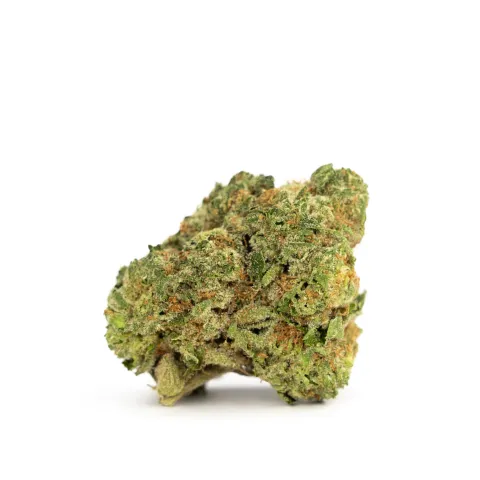
Gelato Haze - THCA - Hybrid

 Hybrid Flower – THCA