
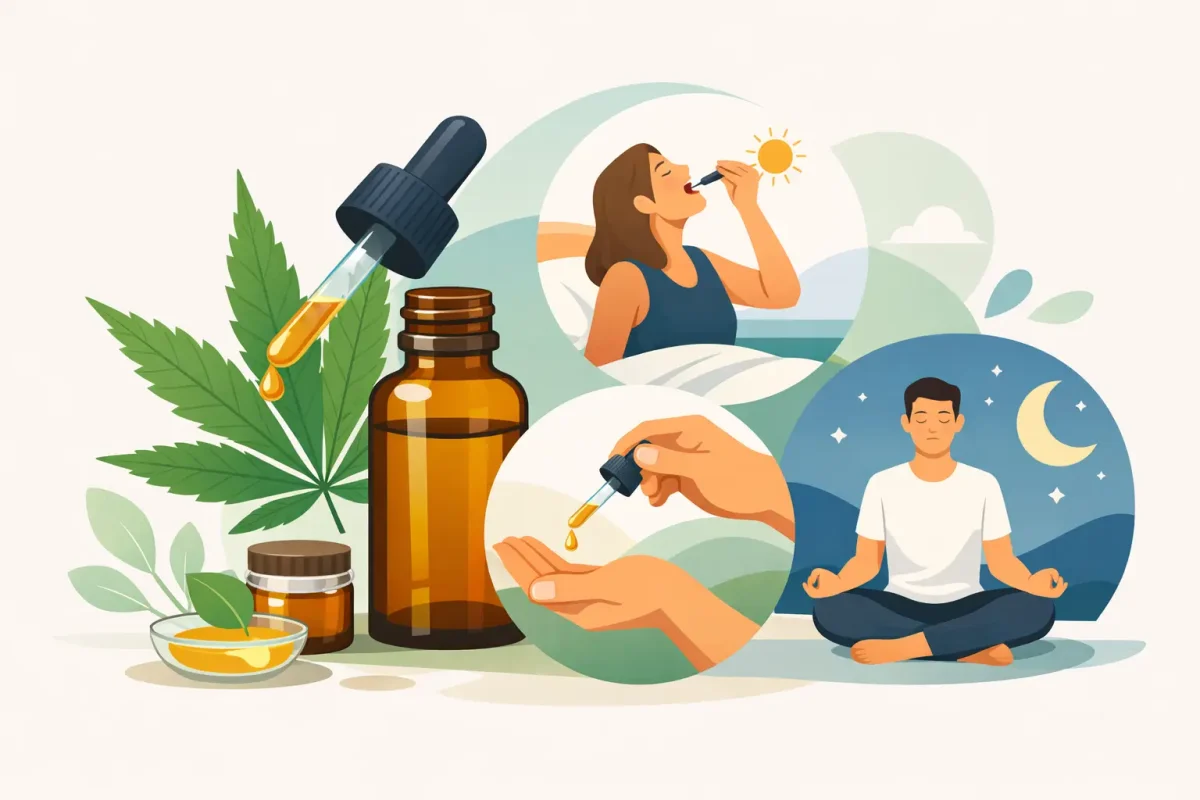
A CBD tincture is one of the easiest hemp products to fit into a real routine—but the dropper can make first-time shoppers overthink it. Learning how to use CBD tinctures comes down to three things: knowing the milligrams in each serving, using the dropper correctly, and giving your body enough time to respond before taking more. Understanding how to use CBD tinctures effectively can enhance your experience.
For adults 21+ looking for a convenient, federally legal hemp-derived wellness option, tinctures offer flexible, precise serving sizes without smoke, vapor, or a full-size edible. Whether your goal is to settle into a quieter evening routine, support everyday balance, or simply try CBD in a format you can control, a quality tincture gives you a straightforward place to start.
When considering how to use CBD tinctures, remember that flexibility is key to adapting it to your lifestyle.
What Is a CBD Tincture?
CBD tinctures are liquid hemp extracts sold in small bottles with measured droppers. Most pair CBD extract with a carrier oil, such as MCT oil or hemp seed oil. Some formulas include flavoring, botanical ingredients, or additional hemp cannabinoids.
The word “tincture” is often used broadly in the CBD market. Technically, a traditional tincture may use alcohol as its base, while many CBD liquids are oil-based. For shoppers, the practical point is the same: you use the included dropper to measure a serving.
CBD tinctures generally come in three extract types. Full-spectrum CBD includes CBD plus other naturally occurring hemp compounds, including trace amounts of THC within the federal limit of 0.3% delta-9 THC by dry weight. Broad-spectrum CBD contains multiple hemp compounds but is formulated without detectable THC. CBD isolate contains CBD only.
There is no universal best option. A full-spectrum formula may appeal to shoppers who want a more complete hemp profile, while broad-spectrum or isolate products can make more sense for people who prefer to avoid THC. If drug testing is a concern, remember that full-spectrum products may carry a risk of a positive test even when they are federally compliant.
How to Use CBD Tinctures Under Your Tongue
Benefits of CBD tinctures: It's important to master how to use CBD tinctures in a way that suits your needs.
Sublingual use, meaning under the tongue, is the most common way to take a CBD tincture. This method is simple and may feel more predictable than swallowing the oil immediately.
First, shake the bottle if the label directs you to do so. Plant extracts can settle in the carrier oil, especially in less processed formulas. Then squeeze the dropper bulb, place the tip into the liquid, and release the bulb to draw up your desired amount.
Place the oil under your tongue and hold it there for about 30 to 60 seconds before swallowing. Keeping it there briefly allows some of the CBD to absorb through tissues in the mouth. The flavor may be earthy, grassy, or slightly bitter with unflavored full-spectrum products. A flavored formula can be a better fit if the taste keeps you from using it consistently.
After swallowing, wait before deciding whether you need more. Individual experiences vary based on body size, metabolism, food intake, the formula itself, and your personal sensitivity to cannabinoids. Avoid treating a tincture like an instant switch you can keep flipping every few minutes.
Many users find that learning how to use CBD tinctures correctly leads to a more satisfactory experience overall.
Start With Milligrams, Not Full Droppers
For effective results, knowing how to use CBD tinctures in conjunction with body cues is vital.
The most useful number on a CBD tincture label is the number of milligrams of CBD per serving. A bottle may say 1,000 mg CBD, but that number usually describes the entire bottle, not one dropperful.
For example, a 30 mL bottle containing 1,000 mg of CBD has roughly 33 mg of CBD per 1 mL dropperful. If the label defines a serving as 0.5 mL, that serving would provide about 16 to 17 mg. Check the product facts panel rather than guessing based on the bottle’s front label.
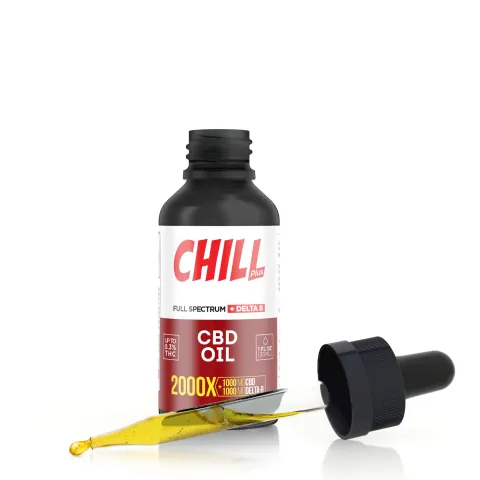
For beginners, starting low is the smart move. Many adults begin with 5 to 10 mg of CBD once per day, then stay at that level for several days while paying attention to how they feel. If that amount does not fit their goals, they may increase gradually in small increments. A person who has used CBD before may choose a higher starting amount, but more is not automatically better.
Consistency matters more than chasing a perfect number on day one. Keep a simple note on your phone with the product, serving size, time of day, whether you took it with food, and how the experience felt. That record helps you identify a routine that feels dependable without making sudden, oversized changes.
A Quick Dropper Measurement Check
The proper measurement can significantly improve how to use CBD tinctures, ensuring you get an accurate serving each time.
Some droppers have marks for 0.25 mL, 0.5 mL, 0.75 mL, and 1 mL. Others do not. If yours has no markings, read the product label to see whether a full dropper is intended to equal 1 mL. Do not assume every dropper holds the same amount.
If a full dropper contains 20 mg of CBD and you want to start with 10 mg, use about half a dropper. Measuring by volume is more reliable than counting individual drops, since drop size can vary.
Choose a Time That Matches Your Routine
CBD tinctures can fit into morning, afternoon, or evening routines. The right timing depends on why you are taking it and how your body responds. Some people like a small serving with breakfast as part of a steady wellness routine. Others prefer an evening serving when they are winding down after work, a workout, or a long commute.
You may discover that how to use CBD tinctures at different times of the day can affect your overall wellness experience.
Taking CBD with food can be especially practical if oils tend to upset your stomach or if you want to make the habit easier to remember. A meal or snack that contains some fat may also support absorption of fat-soluble cannabinoids. Still, the best schedule is often the one you can follow consistently.
The first few times you use a tincture, try it when you do not need to drive, operate machinery, or make high-stakes decisions. CBD is not intoxicating in the way high-THC cannabis can be, but hemp formulas can affect people differently. Full-spectrum products also contain trace THC, and some blends include other cannabinoids that may feel more noticeable.
What to Look for Before You Buy
Before you buy, consider how to use CBD tinctures effectively based on your specific needs and health goals.
Not every CBD bottle earns a place in your routine. Product quality is where confident shopping starts, especially when buying hemp online. Look for a clear cannabinoid amount, a full ingredient list, batch-specific third-party lab testing, and transparent information about the hemp source.
A certificate of analysis, often called a COA, should verify cannabinoid potency and screen for contaminants such as pesticides, heavy metals, residual solvents, and microbial impurities. The CBD amount on the label should match the lab report closely. If a brand makes sweeping cure-all promises or provides no accessible testing information, it is reasonable to move on.
Royale Hemp focuses on curated, lab-tested hemp options so shoppers can compare CBD formats with more confidence. Price matters, but value means knowing what you are getting per milligram and whether the formula meets the quality standards you expect.
Safety, Medications, and When to Ask a Professional
CBD is a wellness product, not a replacement for medical care. Avoid relying on a tincture to diagnose, treat, cure, or prevent a health condition. If you are pregnant, nursing, managing a liver condition, or preparing for surgery, talk with a qualified healthcare professional before using CBD.
Being informed about how to use CBD tinctures can help you avoid potential interactions with medications.
CBD can also interact with certain medications, including some blood thinners, seizure medications, sedatives, and drugs processed by the liver. This is not a reason to panic, but it is a reason to ask a pharmacist or clinician who can review your specific medication list. Taking more CBD to force a stronger result can also increase the chance of unwanted effects such as drowsiness, dry mouth, digestive discomfort, or changes in appetite.
Store your tincture in a cool, dark place with the cap tightly closed. Heat and direct sunlight can affect flavor and product quality over time. Keep it out of reach of children and pets, and use only products intended for adults.
Once you know how to use CBD tinctures properly, storing them correctly becomes an essential factor in maintaining their quality.
The best CBD tincture routine is the one that feels simple enough to repeat: a verified product, a measured serving, and a little patience. Start low, keep your approach consistent, and let your own experience guide small adjustments over time.
Ultimately, the goal is to understand how to use CBD tinctures in a way that integrates seamlessly into your daily routine.

 Hybrid Flower – THCA