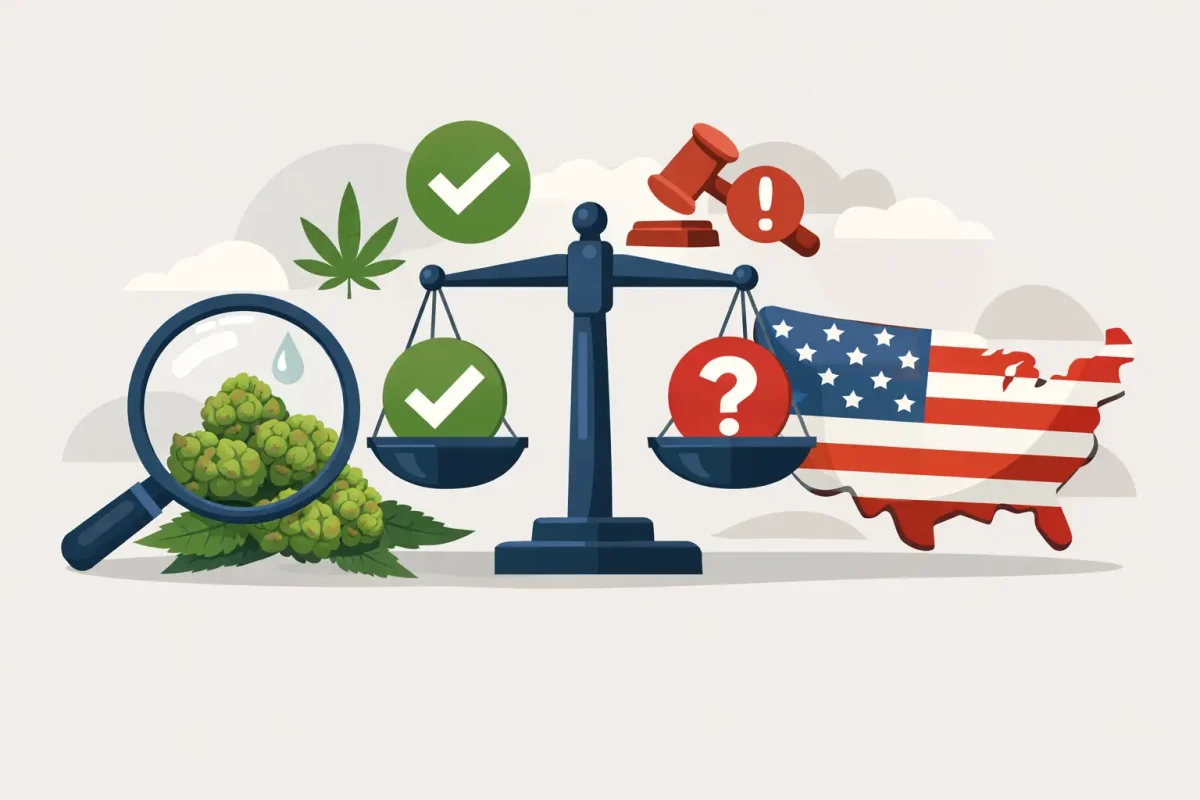
Getting pulled over with a jar of hemp flower that looks and smells like marijuana is nobody’s idea of a relaxing afternoon. That’s why so many shoppers ask the same question before they buy: Is CBD flower legal? The short answer is yes, federally, if it meets the legal definition of hemp. The longer answer is where things get more complicated, because state law, product testing, and even how a product is labeled can all affect whether that flower is truly compliant with the question everyone has: Is CBD flower legal?
Is CBD Flower Legal Under Federal Law?
At the federal level, CBD flower can be legal under the 2018 Farm Bill. That law removed hemp from the federal list of controlled substances, but only if the plant and its derivatives contain no more than 0.3% delta-9 THC on a dry weight basis. If a CBD flower product stays under that threshold, it falls into the hemp category rather than marijuana.
That federal change opened the door for hemp flower, CBD oils, edibles, tinctures, and other hemp-derived products to be sold more widely across the US. For adult consumers looking for a non-dispensary option, that was a major shift. It made federally legal hemp products far more accessible, especially online.
Considering the question, is CBD flower legal? is crucial for consumers.
Still, federal legality does not automatically mean every CBD flower product on the market is safe to buy or legal to ship everywhere. Hemp law is specific. A flower can be marketed as CBD flower, but if it tests above the legal delta-9 THC limit, it may no longer qualify as hemp under federal rules.
Why the Answer to “Is CBD Flower Legal?” Depends on More Than One Rule
Understanding if CBD flower is legal can prevent potential issues down the line.
This is where many shoppers get tripped up. They hear that hemp is federally legal and assume every hemp flower product is fair game nationwide. In reality, compliance depends on several moving parts.
First, the product needs to come from legal hemp, not marijuana. Second, the delta-9 THC content must remain at or below 0.3% on a dry weight basis. Third, the product has to comply with applicable state laws where it is sold, shipped, or possessed. And fourth, it should be backed by recent third-party lab testing so there is proof of what is actually in the flower.
There is also a practical issue that matters in real life. CBD flower often looks nearly identical to high-THC cannabis. To law enforcement or a shipping carrier, the distinction may not be obvious without lab documentation. That does not automatically make compliant hemp illegal, but it can create friction if the product is poorly packaged or lacks clear paperwork.
State Laws Can Change the Picture
Federal law sets the baseline, but states still have room to regulate hemp products more strictly. Some states broadly allow smokable hemp flower. Others restrict it, regulate it heavily, or have rules that are murkier than most shoppers expect.
It’s important to ask, is CBD flower legal in your state?
That means a CBD flower product can be federally lawful and still run into state-level limitations. In some places, possession may be allowed while retail sale is restricted. In others, shipping may be limited or sellers may choose not to serve that market at all because the legal environment is too uncertain.
For consumers, knowing if CBD flower is legal helps in making informed purchases.
This is why smart buyers do not stop at the words federally legal. They also check whether a retailer is transparent about shipping restrictions and state availability. If a brand is careful about where it ships, that is usually a good sign that it is taking compliance promises.
What Makes CBD Flower Legal to Sell?
For a seller, legality is not just about calling a product hemp. It comes down to sourcing, testing, documentation, and labeling. Reputable hemp retailers work with growers and manufacturers who understand compliance from seed to shelf.
US-grown hemp is often preferred because it is easier to track and verify within the domestic regulatory system. Third-party lab reports matter just as much. They should show cannabinoid content, including delta-9 THC, and ideally screen for contaminants such as pesticides, heavy metals, and mold.
That testing piece is not just about safety. It is central to legality. If a flower product does not have current lab results, the consumer is being asked to trust a label without proof. For a category that sits close to cannabis in appearance and aroma, that is not enough. The question of whether CBD flower is legal varies depending on where you are.
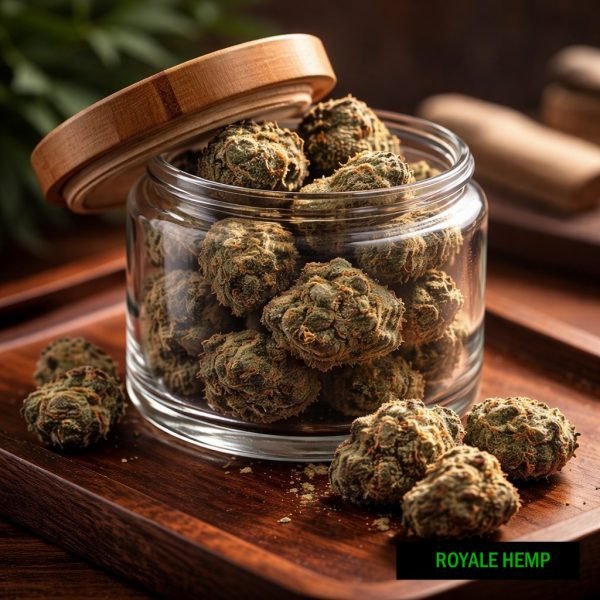
CLICK HERE FOR GUSHER CAKE THCA
Smokable Hemp Flower Gets Extra Attention
It’s necessary to explore if CBD flower is legal within local regulations before purchasing.
CBD flower is usually sold as raw smokable hemp buds or pre-rolls. That format tends to get more legal scrutiny than some other hemp products because it is so similar to traditional cannabis flower.
Oils, gummies, and capsules may raise fewer eyebrows because they look distinct from marijuana. Flower does not get that advantage. Even when it is fully compliant, it can attract more attention in transit or in public settings.
For consumers, that means discretion and documentation matter. Keeping products in their original packaging and buying from retailers that provide clear batch testing can reduce avoidable issues. It also helps to understand that “legal” does not always mean “hassle-free.” Sometimes the legal status is solid, but the optics are messy.
How to Tell If a CBD Flower Product Is Actually Compliant
If you are shopping online, the product page should do more than make wellness claims. It should give you enough confidence that the flower was sourced and tested properly. Lab reports are the first thing to look for. You want batch-specific results, not vague promises about quality.
Check the THC numbers carefully. Many shoppers focus on CBD content and forget that legal status depends on delta-9 THC. A product can be rich in CBD and still present legal concerns if the THC data is not clear. You should also look for signs of transparent sourcing, especially US-grown hemp and third-party verification.
Price matters too, but extremely cheap flower can be a red flag if the seller cuts corners on testing or sourcing. Affordable hemp is great. Unverifiable hemp is not.
Can You Travel With CBD Flower?
When traveling, always consider if CBD flower is legal at your destination.
This is another area where the legal answer and the practical answer are not always identical. If the flower is compliant hemp, federal law may be on your side. But traveling with smokable hemp can still create confusion, especially because it looks like marijuana.
Crossing state lines with any cannabinoid product requires extra caution. If the destination state has stricter hemp rules, your federally compliant product may still become a problem there. Air travel can add another layer of uncertainty, not because hemp is automatically banned, but because policies, screening experiences, and local enforcement realities vary.
For that reason, many consumers prefer to avoid traveling with flower altogether unless they are very confident about the law in both locations and have proper documentation.
Is CBD Flower Legal If It Contains THCA?
Shoppers should also question if CBD flower is legal if it contains other cannabinoids like THCA.
This is where the hemp market gets more nuanced. Some flower products are sold as high-CBD hemp, while others may include cannabinoids like THCA in amounts that raise additional questions. THCA itself is a major topic in the hemp world because it can convert into THC when heated.
Whether a THCA-rich flower product is legally safe to sell depends on how it is tested, how it is classified, and how regulators interpret the product under current law. That area is evolving and can be more sensitive than standard CBD flower. If a shopper wants the most straightforward legal profile, traditional CBD-dominant hemp flower with transparent delta-9 compliance is usually the simpler choice.
Why Trusted Retailers Matter More Than Ever
The hemp market gives consumers more access than ever before, but it also puts more responsibility on the buyer. Not every product marketed as legal hemp deserves that label. That is why retailer standards matter.
Trusted retailers can clarify if CBD flower is legal when buying from them.
A strong hemp platform should help shoppers cut through the noise with curated products, clear compliance information, and recent third-party lab testing. That is especially valuable for first-time buyers who want stress relief or everyday wellness support without stepping into a dispensary model.
For adult shoppers who want affordable, federally legal hemp flower, confidence comes from transparency. Royale Hemp focuses on that balance by helping customers find lab-tested products that fit both wellness goals and legal expectations.
The Real Answer to Whether CBD Flower Legal
The final answer to the question, “Is CBD flower legal?” is essential for all consumers.
Yes, CBD flower can be legal in the US, but only when it qualifies as hemp under federal law and does not run afoul of state restrictions. That means the legal answer depends on the THC threshold, the product’s testing, the seller’s compliance practices, and where the product is going. So, is CBD flower legal? It's crucial to ensure legality before making a purchase.
For most shoppers, the safest move is simple. Buy from transparent retailers, verify lab results, pay attention to state shipping rules, and do not assume every flower product is compliant just because it says CBD on the label. A little caution upfront makes it much easier to enjoy hemp flower with peace of mind.
Check our Latest products!

Concetrates

CBD Pre Rolls

Hybrid Flower - THCA

Hybrid Flower - THCA

Hybrid Flower - THCA

Vape Carts / Pens

Gusher Cake

 Hybrid Flower – THCA